
Key Takeaways
- Many kids start wearing contacts around age 8 to 12, though maturity and habits are more important to consider than a specific age.
- Daily disposable lenses are a common pick for younger wearers.
- Some daily lenses are fitted as part of myopia management for ages 8 to 12.
- Clean hands, backup glasses, and a set wearing schedule help keep contact lens wear simple.
Your child comes home from soccer practice with fogged-up glasses pushed halfway down their nose, again. Or maybe they’ve started asking why they can’t wear contacts like someone they look up to. Either way, you’re wondering whether their eyes and their habits are ready for it. Our team at Windsor Eye Care hears this question from parents all year.
Many kids can wear contact lenses once they can handle daily hygiene and follow directions on their own, which matters more than a specific age. Your eye doctor can help you decide if the timing fits your child during a children’s eye exam.
When Kids Can Start to Wear Contact Lenses
No rule says a child has to reach a certain age before trying contacts. What matters more is whether your child can wash their hands, follow a routine, and speak up if something feels off. During the contact lens exam, your eye doctor may ask about daily habits, sports, screen time, and how your child handles their current glasses.
Signs Your Child May Be Ready
When your child begins to show some habits, they may be ready to start discussing contact lenses with their eye doctor:
- Your child asks about contacts and says their glasses get in the way.
- Chores and brushing teeth happen without you needing to remind them.
- Their glasses come home clean and in one piece.
These aren’t specific rules, but they can help you understand whether your child is ready for the responsibility of contact lenses.
Signs to Wait a While Longer
Waiting a year or 2 isn’t a setback. It just means glasses are still the right fit for now. Here are some signs that it may be a good idea to wait:
- Following instructions or house rules is still a daily struggle.
- Their belongings like water bottles, jackets, or school books go missing often.
- Glasses are comfortable, and your child has no complaints about them.
How Kids Can Benefit from Contact Lenses
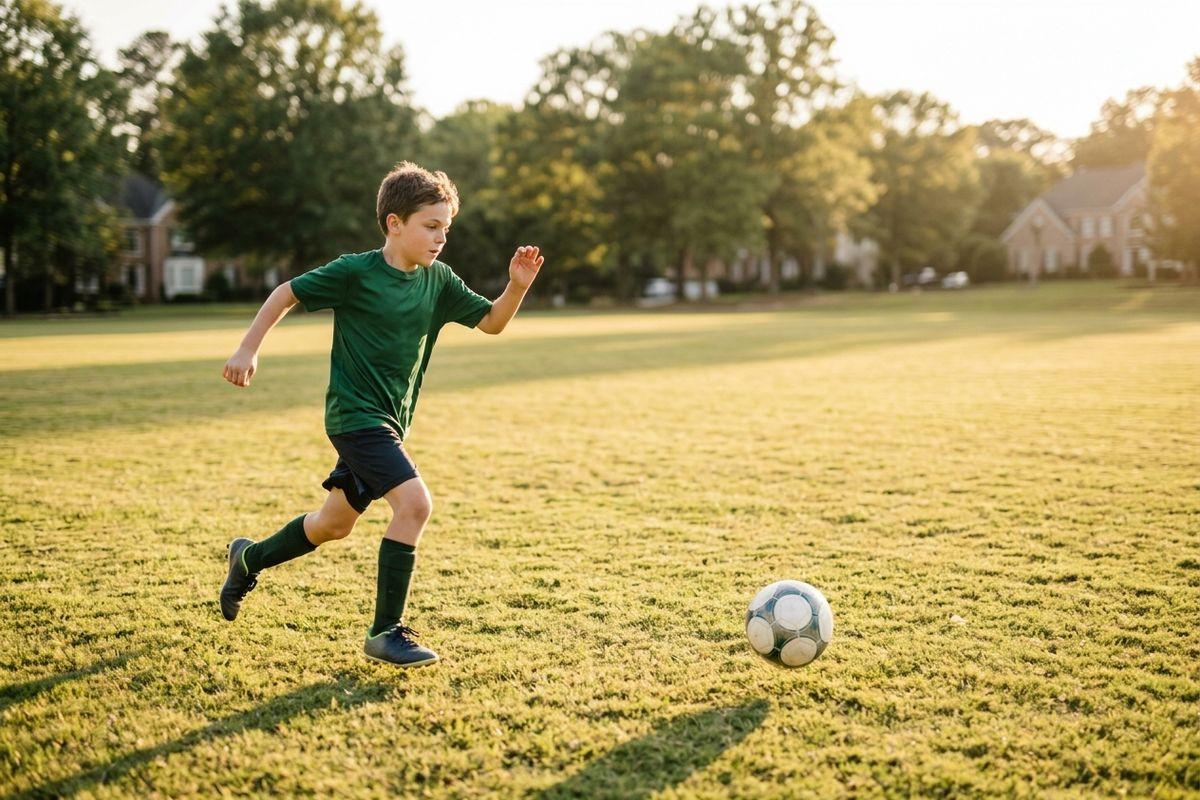
Contacts sit right on the eye, so some children prefer them for activities like sports or certain hobbies, where frames can sometimes get in the way. With contacts, your child can wear sports goggles or a helmet shield without fitting glasses underneath. Nothing fogs during a humid Georgia afternoon, and nothing slides down when sweat starts running.
There’s also less to lose. Without frames, your child can’t forget their glasses in a locker room or classroom. No frames also means nothing to break, so no bent temples from a backpack, no cracked lens the week before picture day.
Many people who wear contact lenses choose to have a backup pair of glasses for certain situations, like running out of solution or experiencing a flare-up of dry eye symptoms. Plenty of kids wear contacts for practice and games, then switch to glasses for homework and movie night at home.
Types of Contact Lenses Often Recommended for Kids
Daily disposables are a common choice for kids. Your child opens a fresh pair each morning and throws them out at night, so there’s no solution to measure, no case to clean, and no old lens sitting around to accidentally mix up. That also helps kids with allergies, since each new lens starts clean.
Your eye doctor can break down soft, rigid, and daily disposable options so you can make an informed decision for your child.
Lenses Used in Myopia Management
Some daily contact lenses are used to help slow how quickly nearsightedness progresses in children. These are often fitted between ages 8 and 12, and your eye doctor can explain whether your child is a candidate during a myopia management discussion.
Safe Contact Lens Habits for Kids
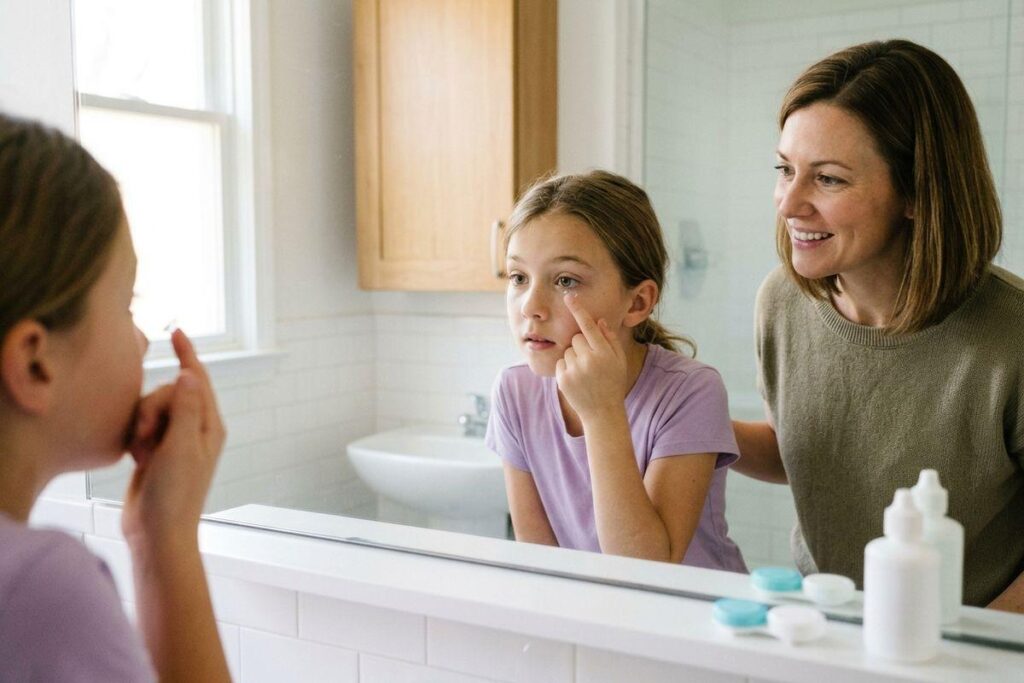
Have your child wash and dry their hands before touching a lens, keep an up-to-date pair of glasses within reach for sick days and late nights, and stick to the wearing schedule recommended by your eye doctor and the contact lens manufacturer. A short refresher on contact lens care can help the routine stick.
If you or your child wears contact lenses, remember that the following habits should be avoided as they can pose a serious risk to your eye health:
- Sleeping, swimming, or showering while wearing lenses.
- Rinsing lenses with tap water or saliva.
- Trying on a friend’s or sibling’s lenses.
- Leaving a lens in when an eye feels scratchy, red, or gritty.
What Happens at a Kids Contact Lens Fitting
Your child’s contact lens exam starts with an updated prescription. From there, the eye doctor talks with you and your child about sports, allergies, and daily routines to choose a lens type, then measures the eye so the lens fits comfortably.
Your child then practices putting lenses in, taking them out, and caring for them before leaving.
Follow-Up Visits and Continued Care
A follow-up visit can help check comfort, fit, and how well your child sees with the lenses. As kids grow and prescriptions change, the lens type can change with them. To make ordering fresh contact lenses easier, we have an online ordering system where you can refresh your contact lens supply from the comfort of home.
Book Your Visit
Our team at Windsor Eye Care sees families together, so parents and kids can ask questions in the same visit and leave knowing what comes next. If contacts are on your child’s wish list this school year, schedule an appointment with an eye doctor in Sandy Springs, GA, to see whether the timing works for your family.